
Stainless steel sinks – a spotlessly clean showpiece in the kitchen
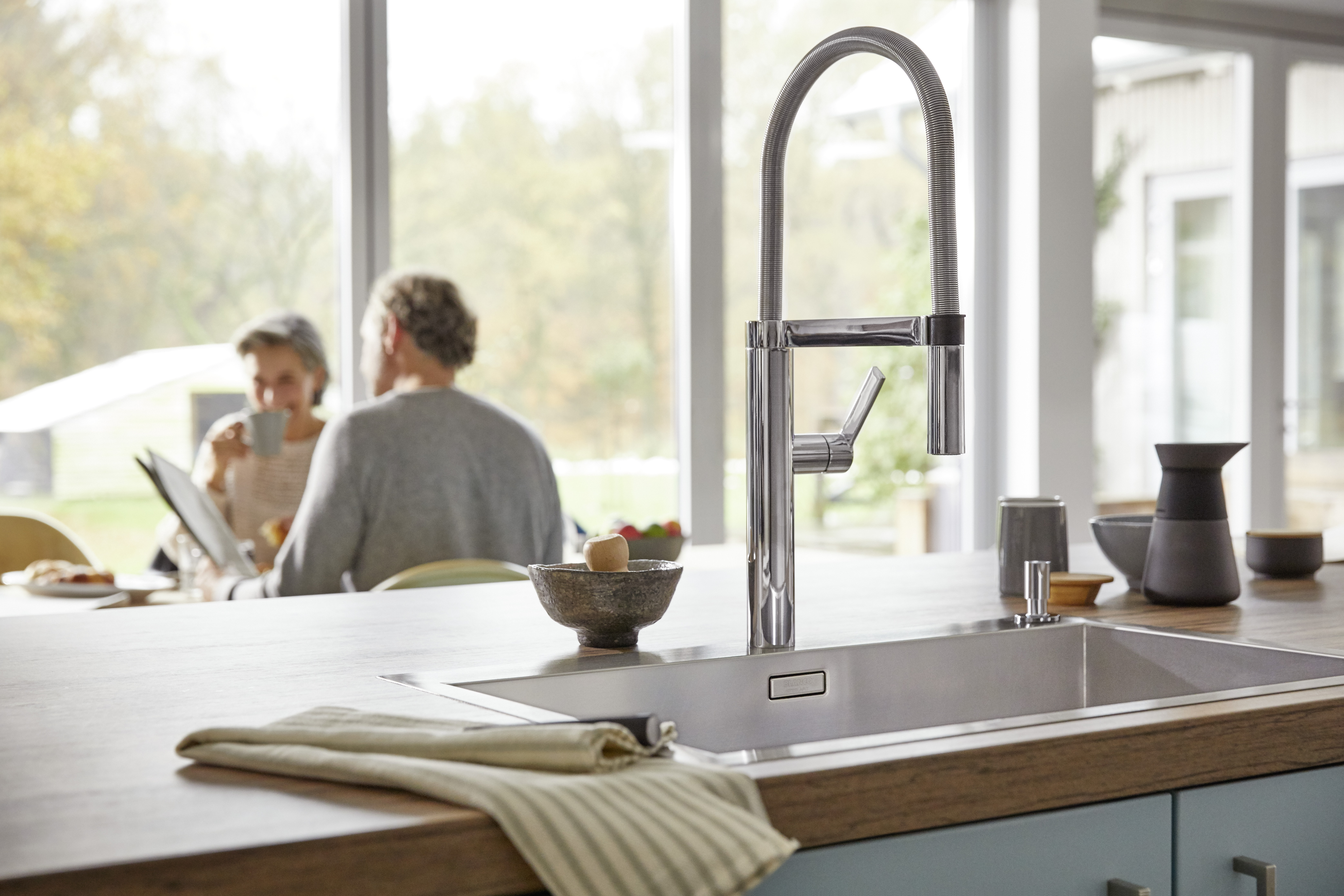
Stainless steel:
- is strong
- is steadfast
- is tear-resistant
- retains its shine
- does not leave germs and bacteria behind
- is easy to maintain
This makes Stainless steel the right material for your sink
Professional chefs appreciate this special mix of steel, chrome and nickel. After all, it can do so much more.
Hygienic: smooth and non-porous
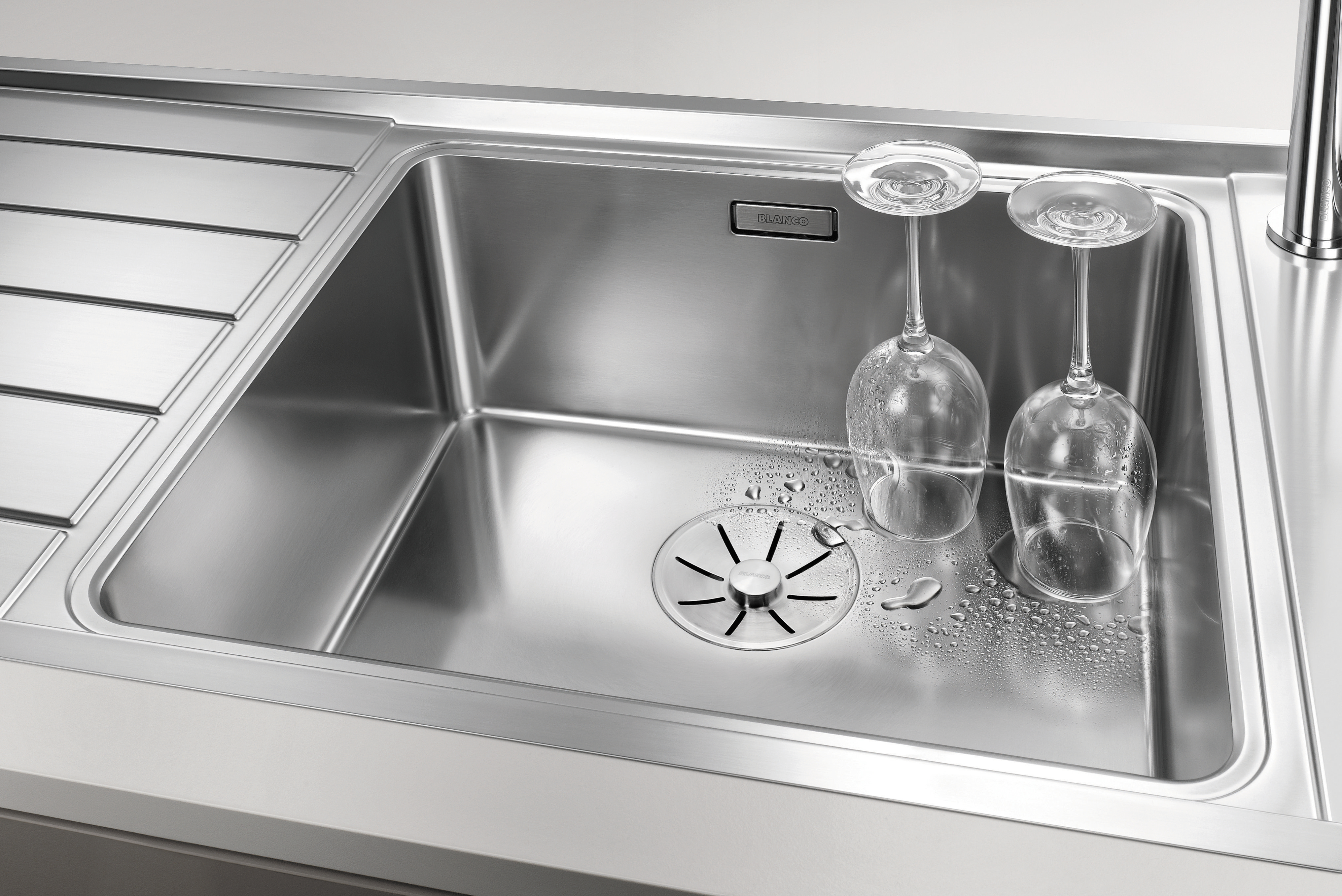
Food-safe: soft Stainless steel
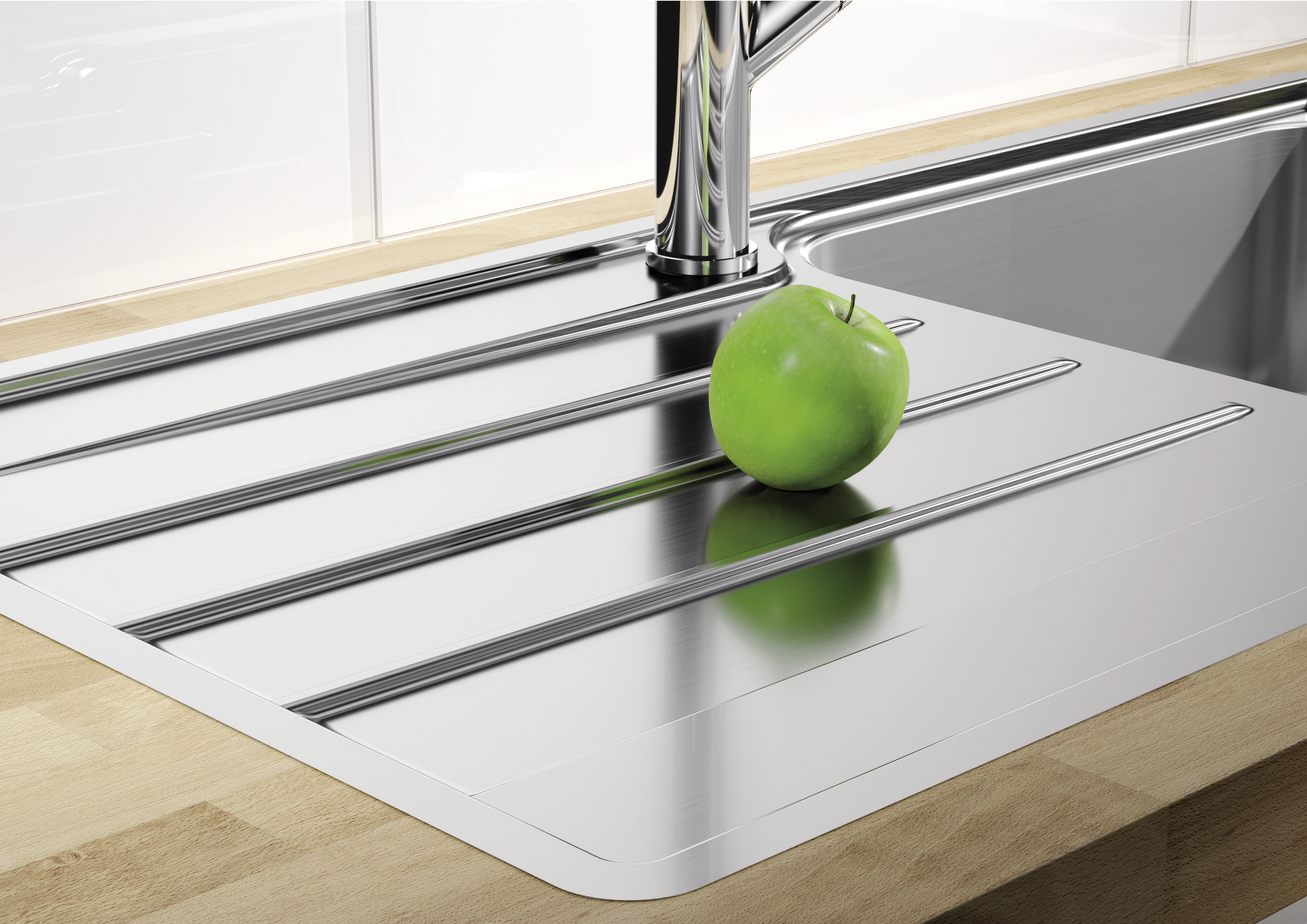
Tough: takes whatever you put it through
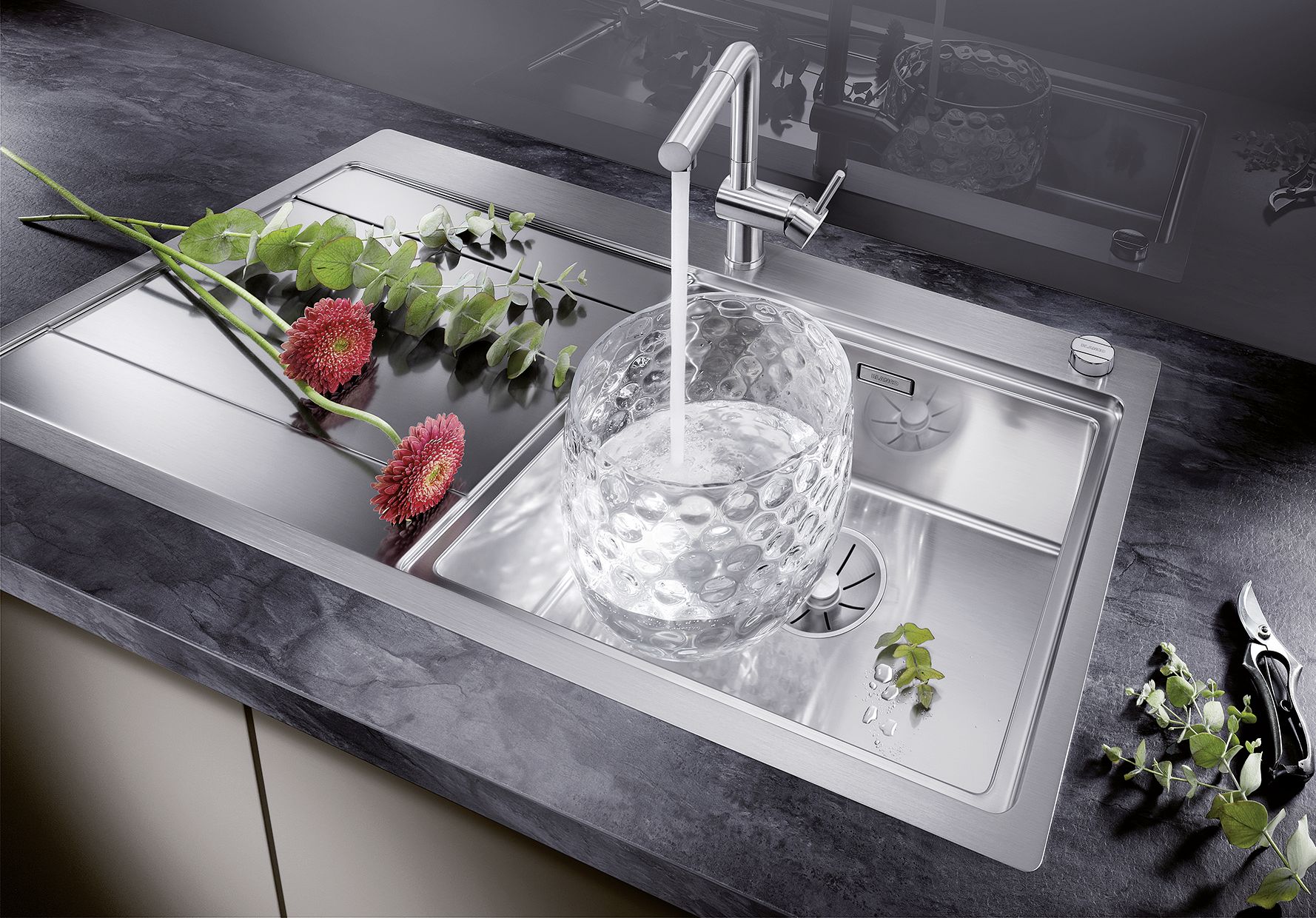
Resistant: just wipe it down
Easy-care: Tender loving care
Light-fast and heat-resistant: stays just as it is
Rustproof: resistant to deformation
Your sink is bound to get scratched at some point.
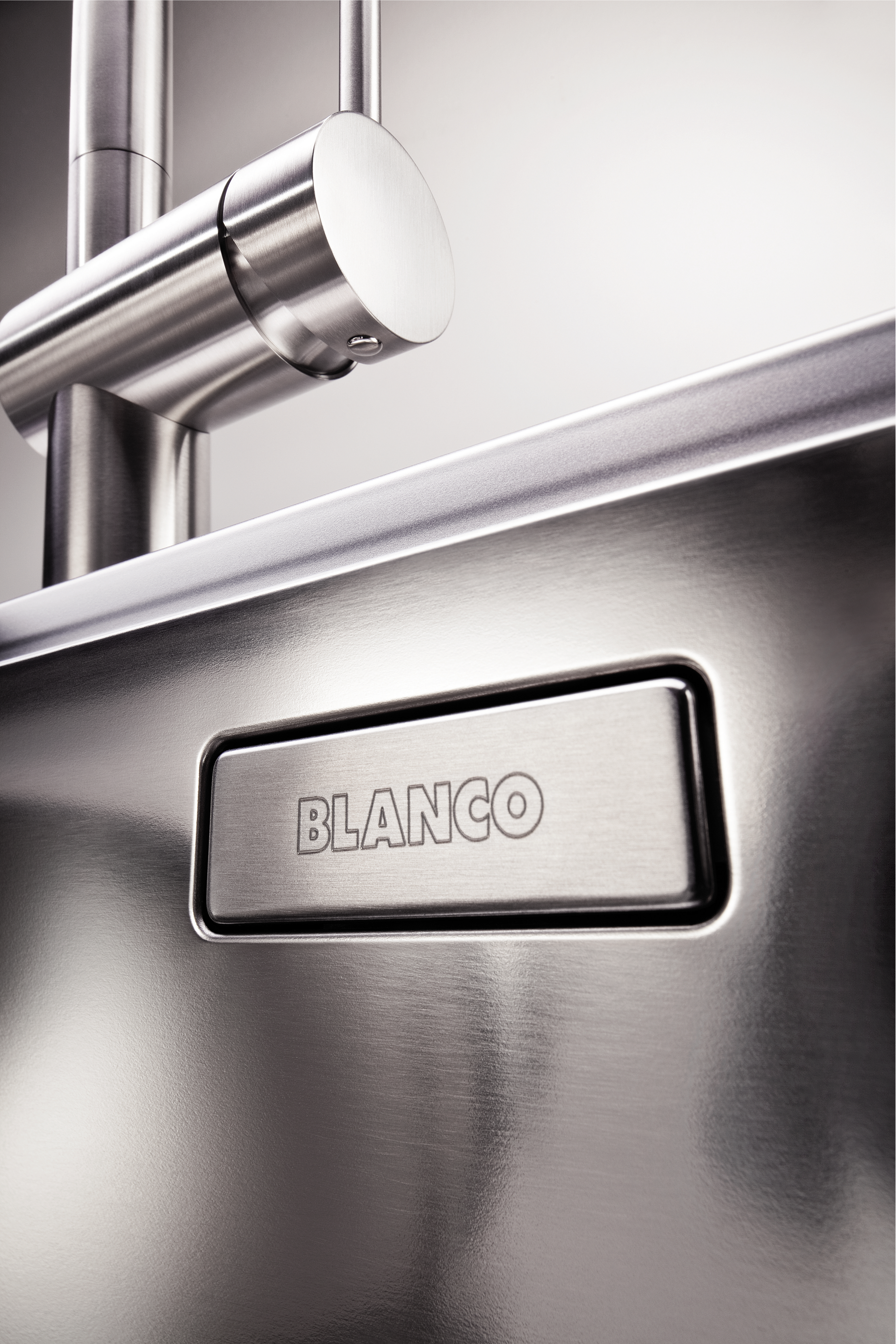
Questions about stainless steel sinks
Stainless steel stays just as it is: resistant and rustproof. This is due to its passive coating, which is constantly regenerating itself. You should clean your stainless steel sink thoroughly in order to ensure that it stays shining for years to come. It is particularly important to remove all dirt and limescale deposits. However, your sink will not respond well to cleaning agents containing chlorine or hydrochloric acid. Strong sodium chloride solutions that take too long to work are also a no-go.
But what if you’ve spotted a couple of tiny reddish-orange marks on your stainless steel sink? If stainless steel comes into contact with rusty objects, such as cheap, unprotected steel, the rust can transfer onto your sink. This is nothing to worry about. You can wipe the rust away in one swipe using a damp sponge and a special stainless steel cleaning agent, and your sink will be spotlessly clean once again.
Even showpieces like our stainless steel sinks sometimes get little marks on their surface. This is usually due to limescale deposits caused by water. These limescale deposits like to gather dirt particles, so you’ll notice small marks on your otherwise sparkling sink. Another origin is small iron and rust particles from the water pipes. These appear to leave traces of rust on your stainless steel sink.
However, you can get all this under control in no time. Impurities and traces of limescale can be removed in a trice with a damp cloth. If you’re struggling to remove any stubborn limescale, it’s time to try a special cleaning agent. Once that’s done, your stainless steel sink will look the way you remember once again: sparkling clean.
Such radiant shine requires a little care. It doesn’t take much effort, but it needs to be done frequently. So if you want to avoid little marks on your stainless steel sink, rub it dry after each use. You don’t need to scrub it vigorously. After rinsing, simply wipe it with a soft cloth and a mild cleaner, then dry it – all done!
If you do spot an unwanted mark, use a descaling cleaning agent specially designed for stainless steel. Together with a suitable stainless steel cleaning sponge, the surface will be so spotlessly clean that you’ll wonder where those marks went so quickly.
Brand new but a few little scratches already: your stainless steel sink will be a little susceptible to this at first. However, there’s no need to worry. This is completely normal, even with our top quality stainless steel. Just wait and see: after a few days, many of the little scratches will appear to have vanished again. What’s happened? The scratches haven’t vanished into thin air; instead, they close over slowly, thanks to the effect of oxygen. This is constantly renewing the passive coating. As such, the stainless steel sink in your kitchen heals itself.
Taking good care of your sink will start to pay off within just a few weeks, so use care products and a sponge on it regularly. The more attention you give to your sink, the more scratch-resistant it will become.
The basket strainer is the secret hero in your sink. After all, it prevents your sink from getting clogged up, thus ensuring perfect functionality. Over time, however, the basket strainer will collect some dirt, so you should give it a clean every now and then. You don’t even have to buy a special cleaner for that purpose.
Here’s our trick: put a level teaspoon of powdered dishwashing detergent onto the closed basket strainer. Pour approx. 250 ml boiling water over it and leave the solution to work. Now brush and scrub it (e.g. with a dishwashing brush) until the basket strainer and drain cup are shining once again. Finally, open up the basket strainer and take out the basket insert. Now you have room to clean the hole opening in the drain cup. Once this is squeaky clean too, reinsert the basket insert and rinse it with clean water.
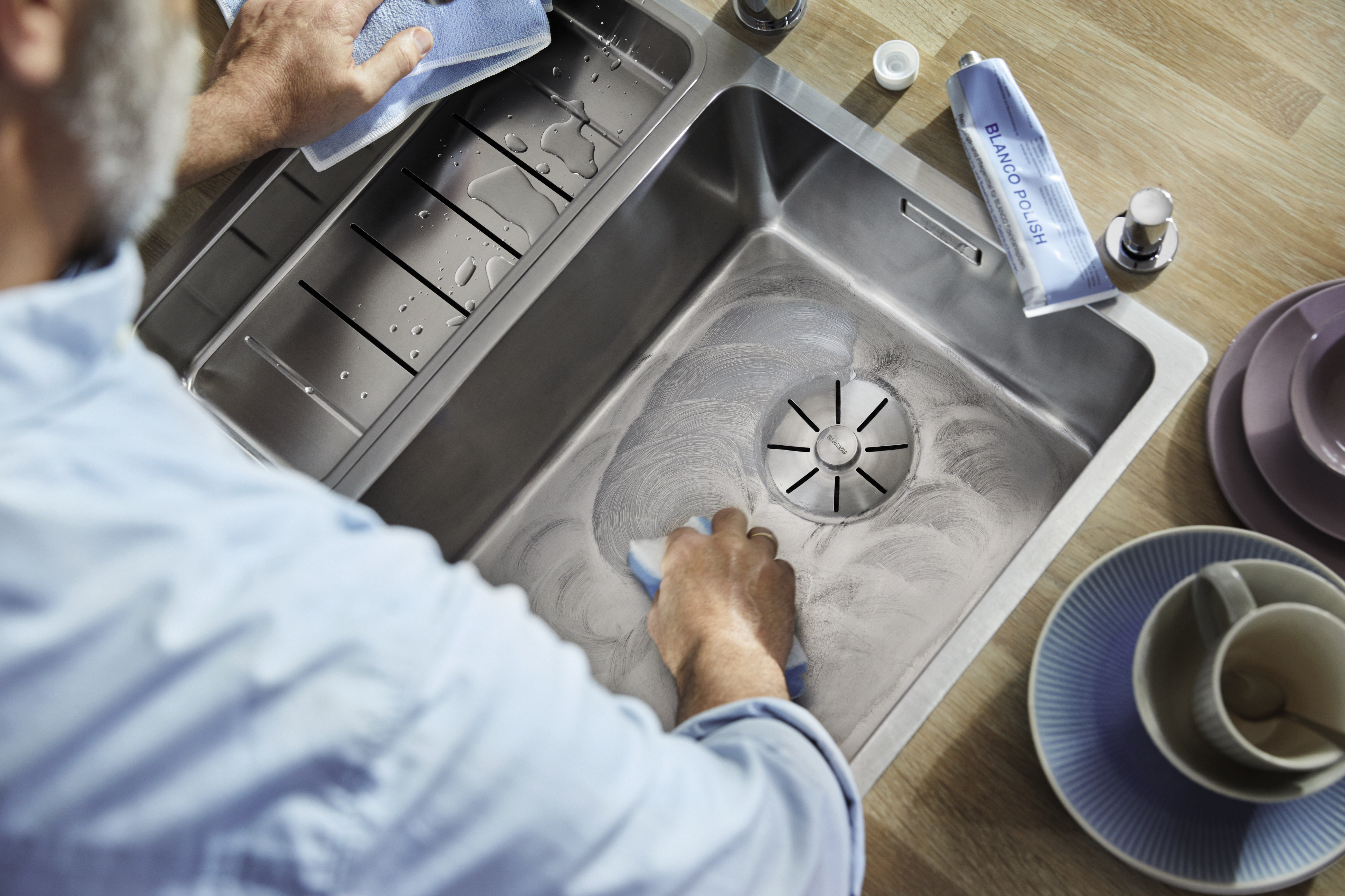
Depending on the surface finish of your sink, you can polish away surface scratches with our matching polishing agent BLANCO Polish. However, you should not use this on BLANCO sinks made of Durinox. In our guide, we show you how to properly care for your stainless steel sink.
Stainless steel surfaces get a special shine when they are polished. Please do not use polishing agents on Durinox sinks. This will only damage the surface. In our guide, we show you how to polish your sink properly.
Stainless steel sinks are easy to clean. Use either diluted vinegar essence or our special cleaner BLANCO DailyClean+. In our guide, we show you in detail how to clean your stainless steel sink.
Sophisticated pieces require looking after – take time to care for your sink
A Stainless steel sink is undemanding. Wiping it with a little washing-up liquid and a soft cloth every day is enough. Rinse with clean water and dry with a microfibre cloth. Voilà! It’s sparkling once again.
Once you have had your sink for a while, the Stainless steel will also benefit from being spoiled occasionally with BLANCO POLISH. It will thank you by remaining steadfast for years.
Use the soft side of the sponge. Avoid using aggressive cleaning agents or steel wool. Stainless steel does not take kindly to such products.
A Stainless steel sink only becomes less sensitive to scratches after a little time and the recommended care. Note: When cleaning your Stainless steel sink, always wipe it in the brushing direction of the steel. You will be able to see this by looking at the Stainless steel from an angle.
What's more, Polished Stainless steel scratches less easily than the natural-finish version. Linen-look Stainless steel is great for hiding scratches and limescale. And Durinox is the most scratch-resistant option for our Stainless steel sinks.
Is Stainless steel simply Stainless steel?
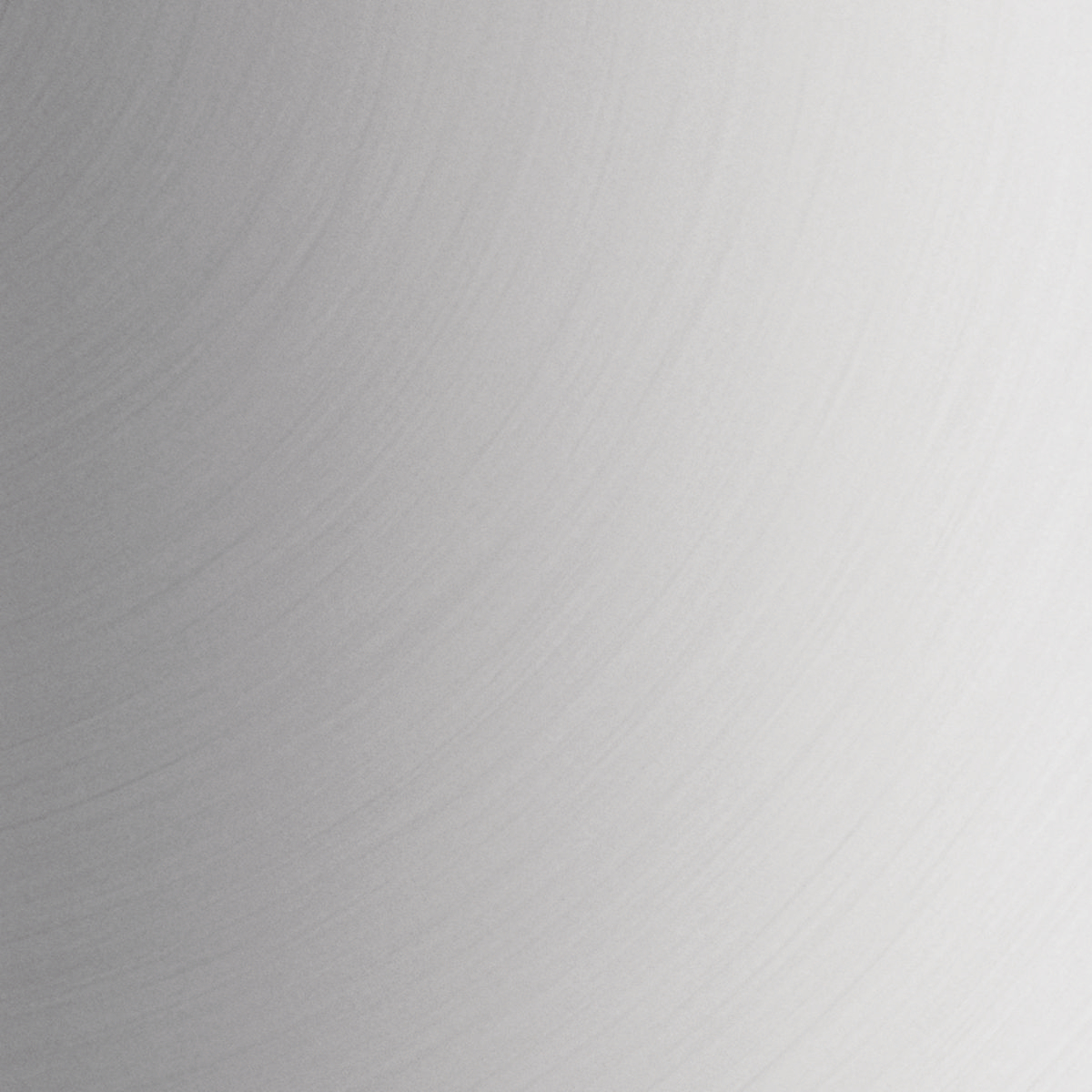
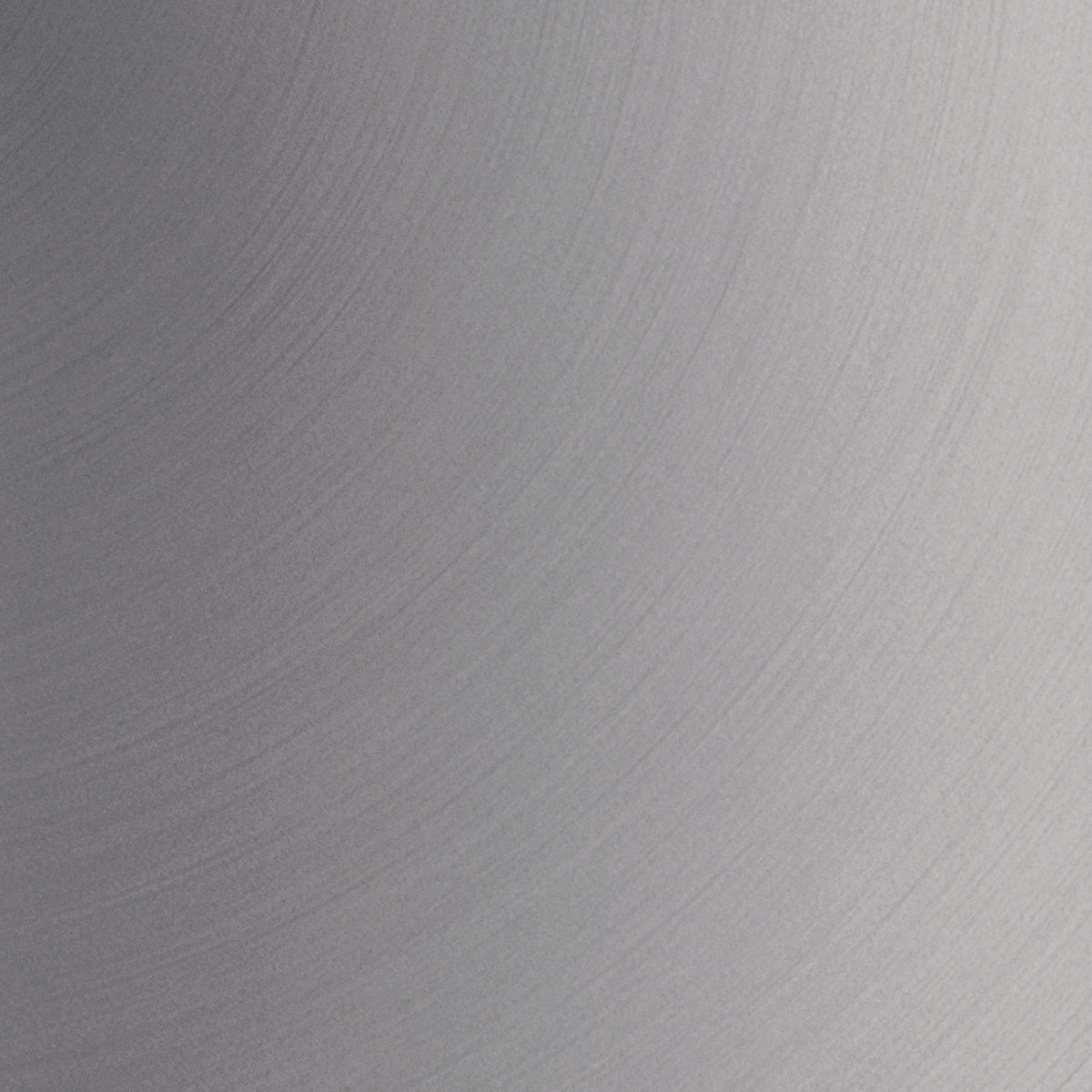
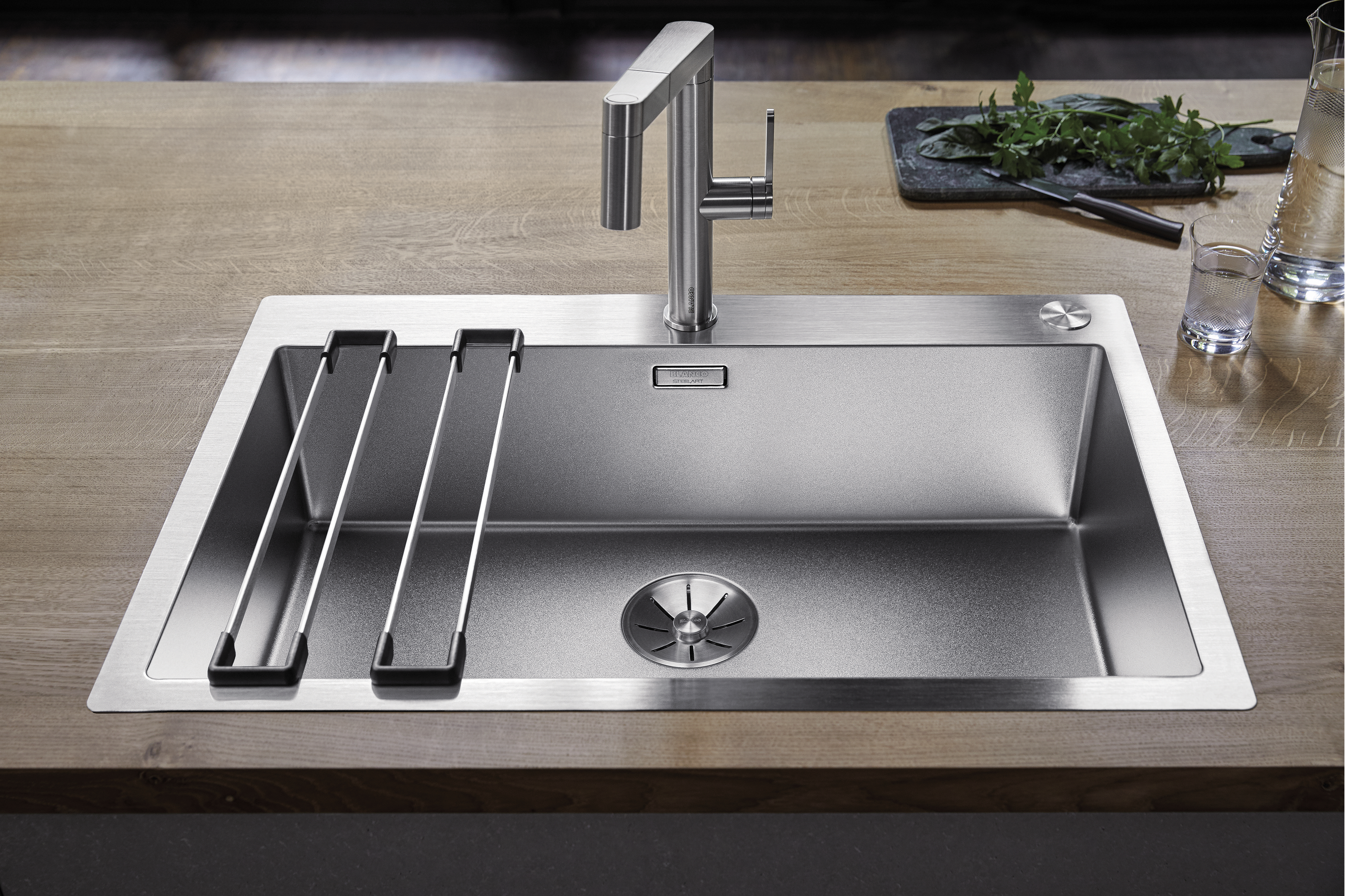
Stainless steel is Stainless steel. Or is it?
Of course, BLANCO Stainless steel sinks are made only of high-quality stainless steel. Uniform, according to the DIN standard. Sink by sink. Yet there are differences, too.
Premium
Pots require lots of space. Do you have a large family? Then you’ll know how tricky it can be to clean a really large pot in a normal-sized sink. The mixer tap can hardly get over the pot rim. When you tip out the water, it slops over the edge of the bowl and across the worktop. There’s another way. If Stainless steel sinks are made from a stainless steel sheet rather than a coil and the sides are soldered, it is possible to have deeper bowls with a larger capacity. Voilà! Cleaning big pots is now absolute child’s play.
Comfort
Do you appreciate sophisticated design? Do you prefer your sink to be clean and angular or softly rounded? Would you fancy having an additional deep bowl? Myriad designs can be created from a piece of stainless steel. Just as you like it. Exquisite, excellent and efficient.
Standard
The classic Stainless steel sink is formed from a piece of stainless steel. Popular, proven, peerless.
Stainless steel does a sterling job in many places in the kitchen. Pots, cutlery, cooker hoods and, of course, sinks are often made from this special material. What makes Stainless steel so special? And why is it so popular?
BLANCO stainless steel sinks
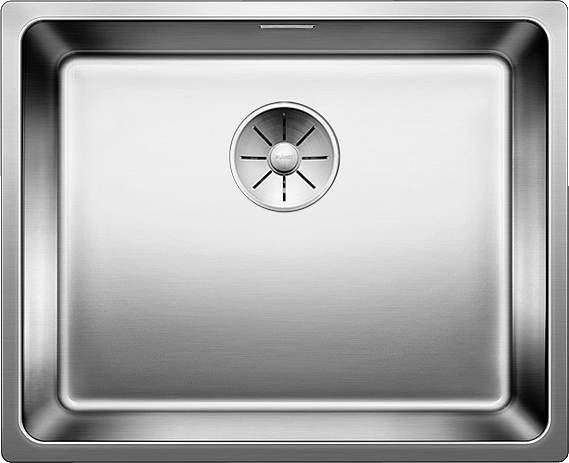
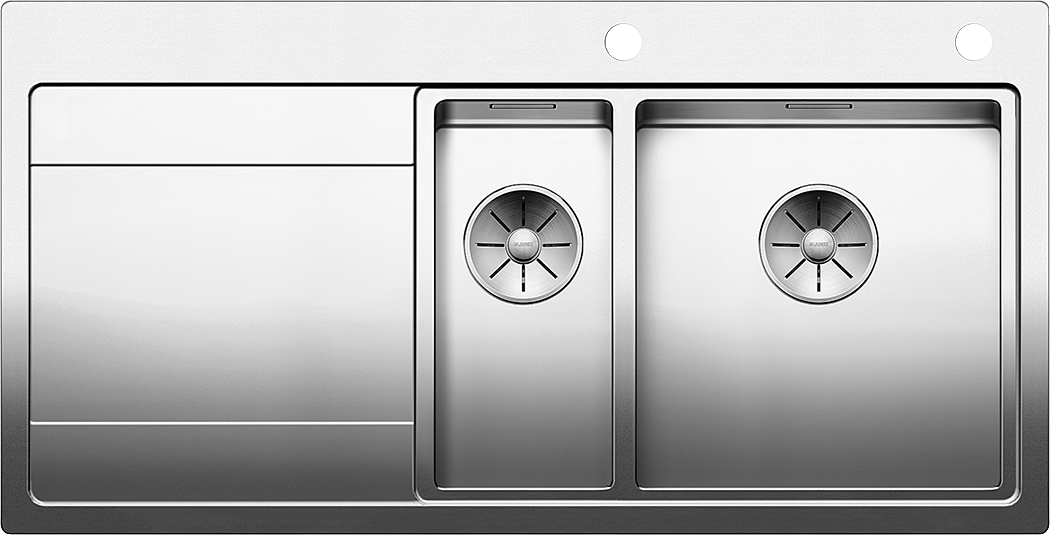
Resistant: clean in spite of dirt
Stainless steel is not made of one specific material. It is a mixture of different components. Our 18/10 Stainless steel, which we use for BLANCO sinks, is composed of steel, 18 per cent chrome and 10 per cent nickel.
What do the different components offer? Steel is particularly hard and almost impervious to damage. Even when subjected to a heavy weight, it bends very little. It does not tear or break. Together with oxygen, chrome forms a thin yet very firm and dense layer. This fine, invisible film is called the passive coating. The highlight feature: It is constantly renewing itself. Like our own skin. And, as with humans, this layer also provides protection against environmental influences. In this case, the steel lies below. That’s why the material remains clean. Dirt may lie on its surface, but it cannot penetrate. Nickel supports this process. After all, nickel does not like acids at all. It doesn’t let them in, so nothing penetrates it. This triple compound of steel, chrome and nickel makes Stainless steel extremely resistant.